0 Comments
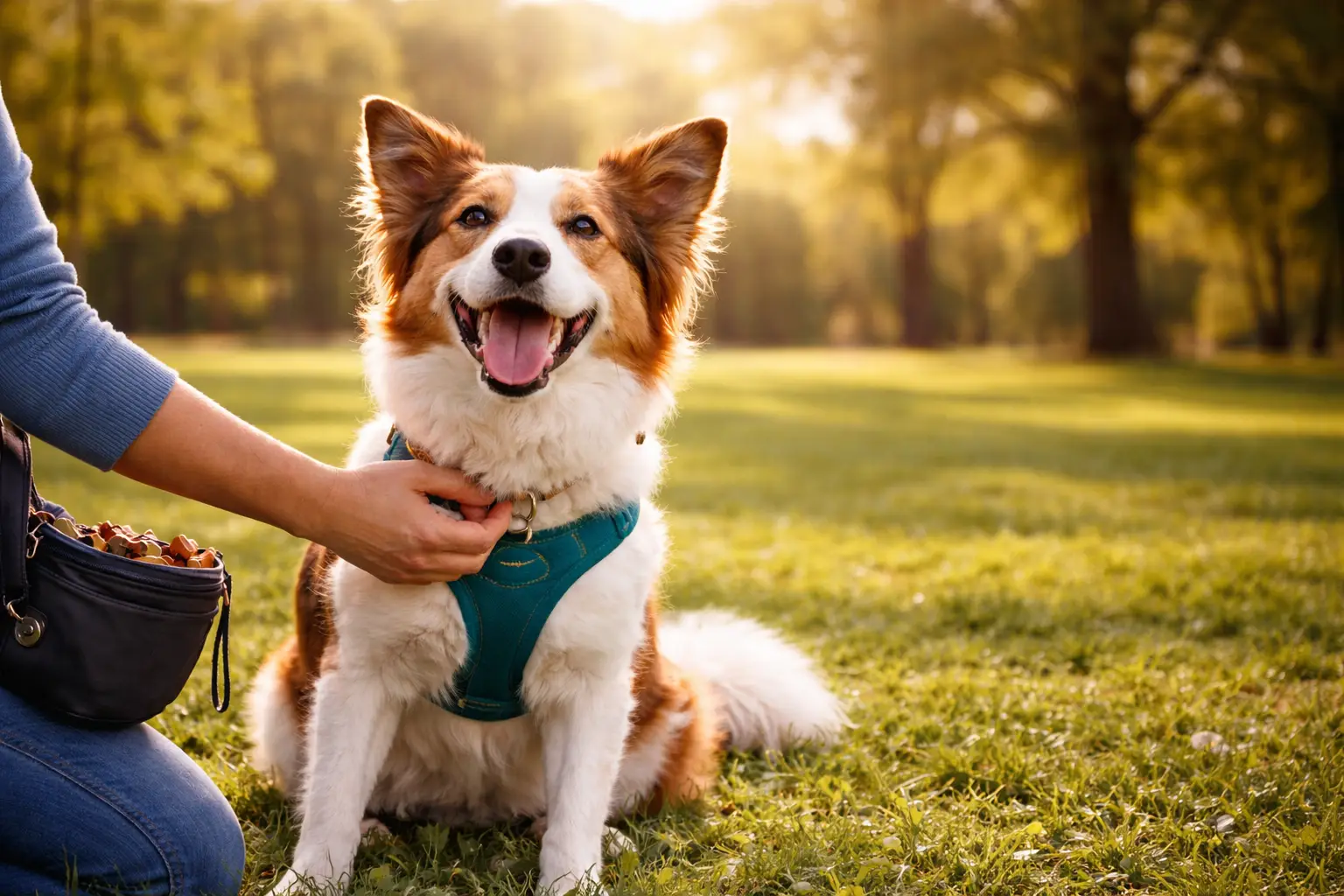
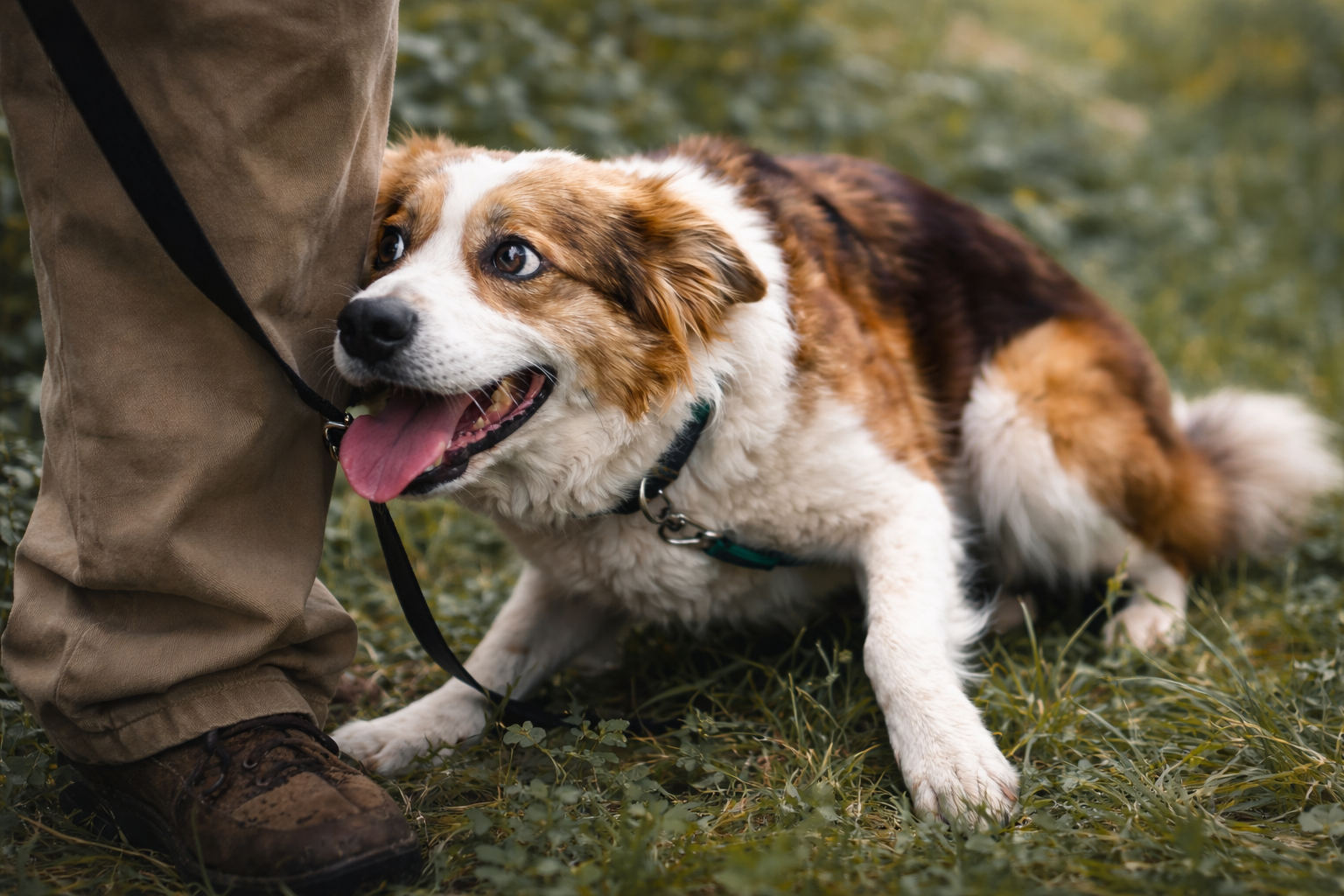
Happy dog wearing a teal harness sitting in a sunlit park while a trainer offers a treat to build confidence

Building confidence in a fearful dog is not about forcing the dog to face scary things until the dog stops reacting. That approach often makes fear deeper because the dog feels trapped. Real confidence grows when the dog learns two things consistently: life becomes more predictable and the dog has safe options. The first step is to identify the dog’s fear in a very specific way. Many people say their dog is afraid of people or dogs, but the trigger is often more precise, such as men with deep voices, people wearing hats, fast movements, direct eye contact, loud children, or dogs that rush forward. The more exact you are, the easier it becomes to prevent setbacks and plan training that the dog can handle. Before you train, you manage. Management means reducing the number of scary moments the dog experiences. A fearful dog cannot learn well when stressed, so your job is to protect the dog from situations that trigger panic, especially at the beginning. That might mean choosing quiet walking routes, avoiding tight spaces where another dog suddenly appears, setting boundaries with visitors, or giving your dog a calm area at home when guests arrive. This is not avoidance forever. It is a temporary reset that lowers the dog’s overall stress so learning can happen. A predictable routine also matters more than people think. Regular feeding times, consistent walks, and stable rest periods reduce background anxiety. When a dog is already on edge all day, small triggers feel bigger. A calmer baseline makes the dog more capable of handling training later. 

At the same time, confidence is strongly linked to trust. A fearful dog watches your decisions closely. If you repeatedly pull the leash, rush toward the trigger, or ignore the dog’s body language, the dog learns that you may not keep them safe. Confidence improves when you slow down, give the dog more distance, and respect the dog’s signals. Choice is powerful. When the dog is allowed to move away and then return at their own pace, the dog learns that the environment is manageable.

Training should be used as a safety tool, not as pressure. Short sessions of easy skills help the dog feel control in confusing moments. Simple behaviors like looking at you, touching your hand, or sitting can become calming routines. These behaviors also tell you how your dog is feeling. If your dog can take treats gently and respond to a simple cue, the dog is likely under a manageable stress level. If the dog grabs food hard, freezes, or stares intensely at the trigger, the dog is struggling and the situation needs to become easier.

Once the dog has a calmer routine and fewer fear events, you can start controlled exposure in a careful way. The goal is not to push bravery. The goal is to present the trigger at a low intensity, usually by increasing distance, and then pair that experience with something positive while the dog stays stable. Sessions should be short and should end before the dog becomes overwhelmed. Over time, the dog learns new associations and builds resilience. Progress is rarely perfectly smooth. Some days will be better than others. That is normal. What matters is consistent, gentle improvement without repeated panic.

If your dog shows aggression, cannot recover, or seems to worsen, professional support is important. Fear can be connected to pain or medical issues, and in severe cases a veterinarian and a qualified behavior professional can help build a safer plan. Confidence building is a process, but with smart management, trust, and gradual training, many fearful dogs become noticeably calmer and more willing to engage with the world.

Categories:
Arvin Hadjari
I’m Arvin Hadjari, a professional dog trainer since 2017. I’ve worked with many different dogs across Iran, Turkey, and the UAE. My approach is simple, clear, and based on real-life situations. I specialize in correcting unwanted behaviors and building structure. My goal is calm dogs and confident owners.

Related Posts

golden retriever move around food arvin k9 team. Why Dogs Move Food Around?
You put the bowl down in the usual spot, your dog takes a mouthful, walks
How To Spot Dog Pain. arvin k9 team. arvin dog trainer. How To Spot Dog Pain Signs Quickly
Dogs rarely announce pain in an obvious way. Many will keep eating and still try
Border Collie mix in distress outdoors. dog panic attack Can Dogs Have Panic Episodes?
Many dog owners have seen it happen out of nowhere. Your dog is fine and