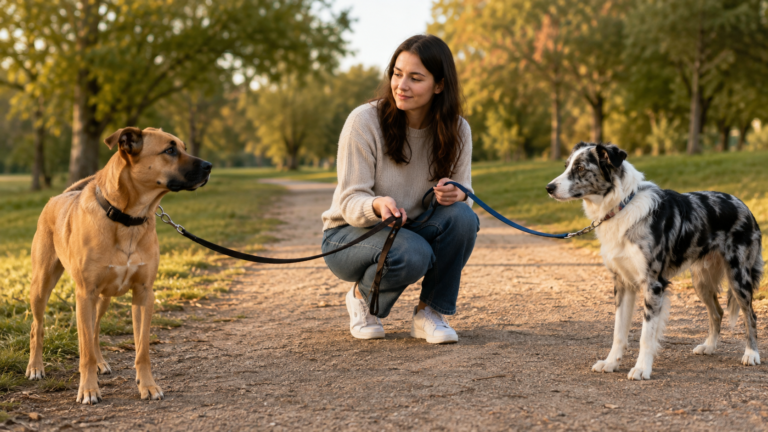
Dog training is not only about teaching commands. It is about building communication, trust, and daily structure between you and your dog. When a dog understands what you expect, life becomes calmer at home, easier outside, and more enjoyable for both of you. Many owners think training starts with commands like sit, stay, or come. These are important, but real dog training begins with the way you guide your dog every day. Your timing, your body language, your consistency, and your reaction to unwanted behavior all shape how your dog learns. For beginners, the first step is to keep everything simple. Short training sessions are usually more effective than long ones. A dog does not need one long lesson; they need clear, repeated practice in small moments throughout the day. Five to ten minutes of focused work can be enough, especially for puppies or dogs that are easily distracted. Positive guidance is also very important. Dogs learn faster when they understand what behavior brings a good result. Food rewards, toys, praise, or calm affection can help your dog connect the right action with a positive outcome. This does not mean giving treats for everything. It means rewarding the behavior you want at the right moment, so your dog understands exactly what worked. One common mistake owners make is repeating commands too many times. If you say “sit” five times, your dog may learn that listening the first time is not necessary.
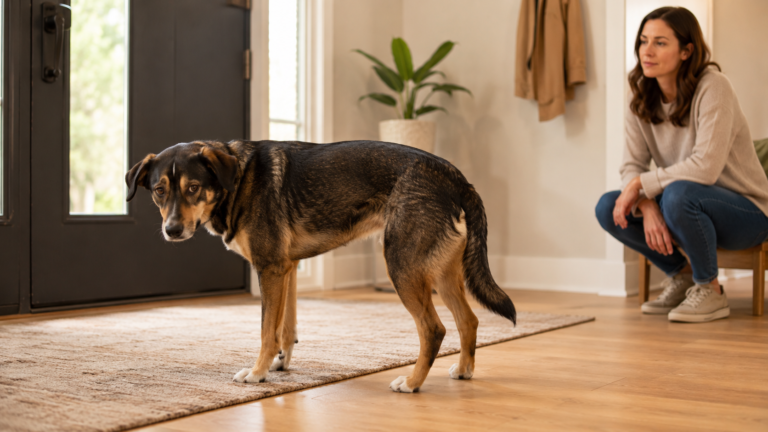
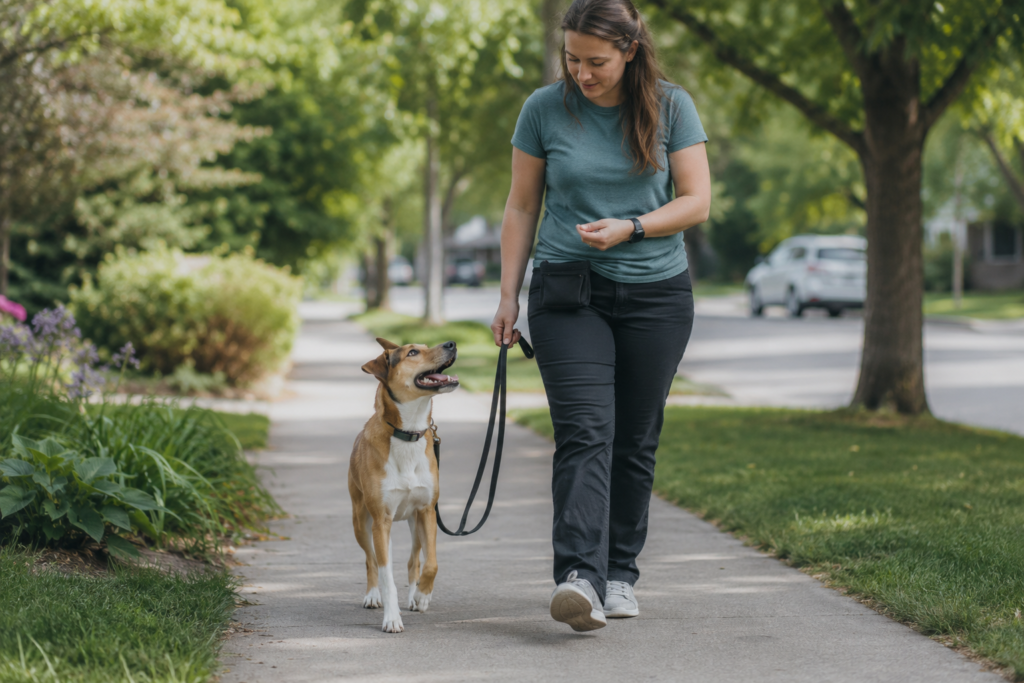
Use one clear cue, give your dog a moment to respond, and then guide them if needed. Clear communication always works better than pressure or frustration. The environment also matters. In the beginning, training should start in a quiet place with fewer distractions. Once your dog understands the behavior at home, you can slowly practice in more challenging places such as the hallway, garden, street, or during walks. This is where many dogs struggle, because listening outside is much harder than listening inside. A good dog training program should also include the owner. Your dog does not only learn during a session with a trainer; they learn from your daily routine. This is why in-home dog training can be very effective, especially for puppies, nervous dogs, reactive dogs, or dogs with behavior problems. The real behavior often happens at home, so the solution should also be built there. Training should never be based on fear or harsh handling. Stress may stop a behavior for a short time, but it does not build real understanding. A calm, structured, and behavior-focused approach helps your dog learn with more confidence and creates a stronger relationship between the dog and the owner. If you are starting puppy training in Dubai or looking for help with basic obedience, leash walking, toilet habits, or dog behavior training, the most important thing is to start with the right foundation. A well-trained dog is not created in one day. It comes from patience, clear rules, regular practice, and proper guidance. With the right approach, your dog can become more focused, more controlled, and easier to live with in real-life situations. Training is not about controlling your dog by force. It is about helping your dog understand how to live calmly and confidently beside you.