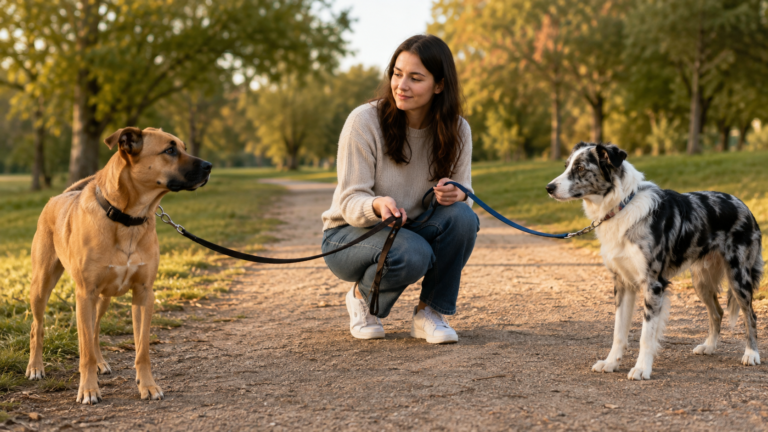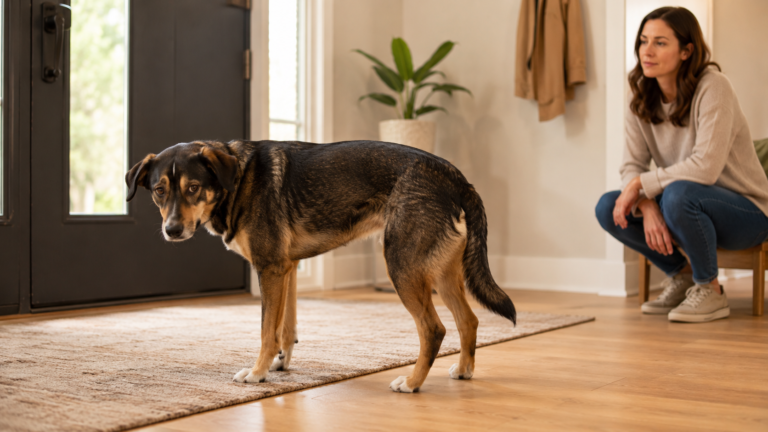
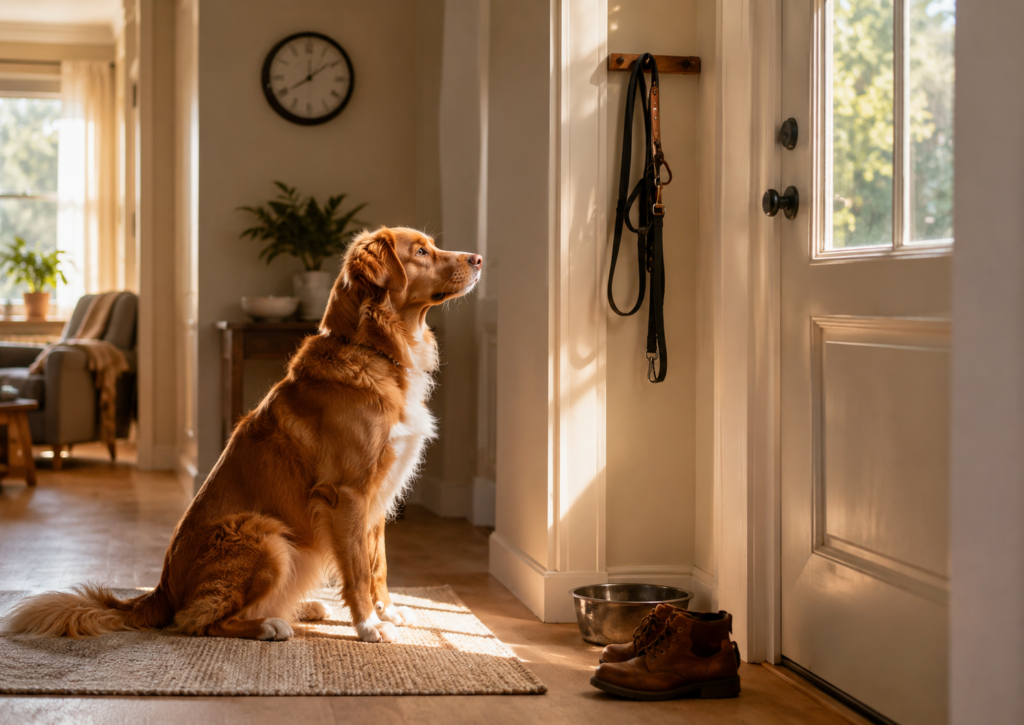
Your dog may be waiting beside the food bowl before dinner, standing near the door when it is almost time for a walk, or becoming excited shortly before you usually arrive home.
These behaviors can make it seem as though dogs are capable of reading the clock. While dogs do not understand hours, calendars, or schedules in the same way humans do, they clearly recognize patterns and anticipate events.
Dogs experience time through a combination of biological rhythms, learned routines, environmental changes, and the sequence of events around them.
Can Dogs Actually Tell Time?
Dogs cannot look at a clock and understand that it is 6:00 p.m. They are also unlikely to think about time using concepts such as yesterday, next week, or three hours from now.
However, this does not mean they have no awareness of time.
Dogs can recognize that events occur in a predictable order. They can also notice when an expected activity is delayed and may respond differently depending on how long an event or absence lasts. A more accurate explanation is that dogs understand patterns, duration, and anticipation, rather than clock time.
How Do Dogs Experience Time?
Dogs probably rely on several types of information at the same time. Their awareness of daily timing is not controlled by a single internal clock.
Instead, their brains combine biological and environmental signals to predict what is likely to happen next.
1. Their Internal Body Clock
Like humans, dogs have circadian rhythms. These are approximately 24-hour biological cycles that influence sleep, activity, hormone production, body temperature, digestion, and other physical processes. Light and darkness are important signals for these rhythms. Dogs generally become more active during daylight hours and rest more during the night, although their routine is also strongly affected by the lifestyle of the people around them. Research into canine sleep and activity patterns confirms that dogs follow structured daily cycles rather than behaving randomly throughout the day. This internal rhythm may help your dog recognize general periods such as morning, evening, mealtime, or bedtime, even though they do not know the exact hour.
2. Repeated Daily Routines
Dogs are excellent at learning sequences. For example, your morning routine might include:
- Your alarm ringing
- You getting dressed
- The dog going outside
- Breakfast being prepared
- You picking up your keys
After experiencing this sequence repeatedly, your dog begins predicting what comes next. They are not necessarily thinking, “Breakfast is served at 7:30.” Instead, they recognize that breakfast usually follows a particular series of sounds, movements, smells, and human behaviors. This is why your dog may become excited when you put on certain shoes, pick up a leash, close your laptop, or walk toward a specific cupboard. Each action becomes a clue.
3. Changes in the Environment
The environment changes gradually throughout the day, and dogs are sensitive to many details that humans overlook. They may notice:
- Changes in sunlight and shadows
- Traffic becoming busier or quieter
- Children returning from school
- Neighbors leaving or arriving home
- Regular delivery vehicles
- Outdoor temperature changes
- Sounds from elevators or building entrances
- Other animals becoming active
These repeated environmental patterns can help a dog estimate which part of the day it is. A dog waiting near the door before their owner arrives may therefore be responding to a collection of familiar signals rather than somehow knowing the exact time.
4. Human Behavior and Body Language
Dogs closely observe the people they live with. Small differences in your behavior may tell your dog whether you are preparing for work, going for a short errand, taking them outside, or settling down for the night. Your clothing, pace of movement, tone of voice, and the objects you carry can all become meaningful signals. For example, your dog may react differently when you pick up a gym bag instead of a work bag. They may also recognize that putting on formal clothing predicts a longer absence than wearing casual clothes and sandals. Dogs are particularly skilled at learning which human actions lead to important outcomes.
Can Dogs Tell How Long You Have Been Gone?
Research suggests that dogs can distinguish between shorter and longer periods of separation, although this does not prove that they understand elapsed time in the way humans do. In one study, dogs were left alone for 30 minutes, two hours, or four hours. Their behavior while alone did not change dramatically between the different periods. However, after longer separations, they greeted their owners with more physical contact, tail wagging, lip licking, and body shaking. The researchers concluded that the dogs were affected by the length of the separation and appeared able to perceive a difference once the owner returned. However, the study included only 12 dogs, so its results should not be interpreted as proof that dogs can calculate exact durations. In practical terms, your dog may recognize that you have been away longer than usual without understanding whether the absence lasted three hours or five.
Do Dogs Miss Their Owners?
Dogs can form strong emotional attachments to their caregivers, so many dogs notice and respond to an owner’s absence. However, a highly enthusiastic greeting does not automatically mean the dog experienced distress the entire time. Some dogs rest comfortably while alone and become excited only when their owner returns. Others experience separation-related anxiety and may show signs of distress shortly after departure. Possible signs of separation-related distress include:
- Continuous barking or howling
- Pacing
- Destructive behavior near doors or windows
- Excessive salivation
- Indoor urination or defecation
- Inability to eat or settle
- Attempts to escape
The length of an absence and changes to a dog’s usual home-alone routine can affect separation-related behavior, but every dog responds differently. A camera can help owners understand what their dog actually does after they leave.
Do Dogs Know the Days of the Week?
Dogs probably do not understand that it is Monday or Saturday. However, they can recognize differences between weekday and weekend routines. On weekdays, the household may wake earlier, move more quickly, and leave the house at predictable times. On weekends, people may sleep longer, wear different clothing, and spend more time at home. Your dog can learn these patterns and behave differently on different days without understanding the names assigned to them. From the dog’s perspective, the difference is based on routine rather than the calendar.
Why Does My Dog Know When It Is Mealtime?
Food is highly motivating, which makes meal-related patterns easy for dogs to learn. A dog may anticipate food based on:
- Hunger and digestive rhythms
- The position of the sun
- Household activity
- The sound of food containers
- Your movements in the kitchen
- What usually happens before feeding
Dogs may also begin requesting food earlier because the behavior has worked before. If barking, staring, or pawing causes the owner to serve dinner, the dog learns that these behaviors can influence the schedule. This does not necessarily mean the dog’s internal clock is perfectly accurate.
Can Schedule Changes Confuse Dogs?
Sudden changes can affect dogs that rely heavily on predictable routines. A recent study examined activity changes around the end of Daylight Saving Time. Sled dogs temporarily changed their activity when their handlers arrived at a different clock time, although they adjusted quickly. Companion dogs showed less noticeable disruption, suggesting that dogs differ in how strongly they depend on fixed schedules and human activity. Changes that may affect a dog include:
- A new work schedule
- Moving to another home
- A family member leaving
- A new baby or pet
- Different feeding times
- Travel
- Changes in walking routines
- Daylight Saving Time
Some dogs adapt quickly, while anxious or highly routine-dependent dogs may need more support.
Should Dogs Follow a Strict Routine?
A predictable routine can help dogs feel safe because it makes their environment easier to understand. However, an extremely rigid schedule may cause some dogs to become frustrated or anxious whenever an activity happens later than expected. A better approach is to maintain a generally consistent routine while allowing small, manageable variations. For example, instead of feeding your dog at exactly 7:00 every morning, you might feed them within a reasonable time window. Walks and training sessions can also occur at slightly different times. This teaches the dog that important needs will still be met, even when the daily schedule changes.
Helping Your Dog Handle Time Alone
Dogs do not need to understand the clock to become worried about being alone. They need to learn that departures are safe and that their owner will return.
Helpful strategies include:
Practise Short Departures
Begin with absences your dog can comfortably handle and gradually increase the duration.
Avoid Dramatic Departures
Calm exits and returns can reduce unnecessary excitement around separation.
Provide Appropriate Enrichment
Food puzzles, safe chews, sniffing activities, and comfortable resting areas can help some dogs settle.
Keep Basic Needs Predictable
Make sure your dog has appropriate opportunities for exercise, toileting, rest, social contact, and mental stimulation.
Build Flexibility Into the Routine
Occasionally vary the order or timing of nonessential activities so your dog does not become dependent on one exact schedule.
Use a Camera
Recording your dog when they are alone can reveal whether they sleep, remain alert, vocalize, or display signs of anxiety. If your dog shows significant distress, consult a veterinarian or qualified canine behavior professional. Separation anxiety is an emotional problem, not disobedience, and punishment can make it worse.
Final Thoughts
Dogs do have a sense of time, but it is different from ours. They do not need clocks or calendars to anticipate dinner, recognize bedtime, or notice that you have been away longer than usual. Their understanding is built from internal biological rhythms, repeated routines, environmental signals, and close observation of human behavior. A consistent but flexible daily routine can help your dog feel secure while also preparing them to cope when life does not happen exactly on schedule.